Noguchi's Playscapes
‘I think of playgrounds as a primer of shapes and functions; simple, mysterious, and evocative; thus educational’, Noguchi said. But what does that mean?
In 1933, the Japanese-American sculptor and artist Isamu Noguchi designed a playground that was way ahead of its time. Play Mountain, with its steps, its curving ramp, a pool and a rock didn’t look much like a traditional playground, with swings and slides and so on. ‘I think of playgrounds as a primer of shapes and functions; simple, mysterious, and evocative; thus educational’, Noguchi said. But what does that mean?
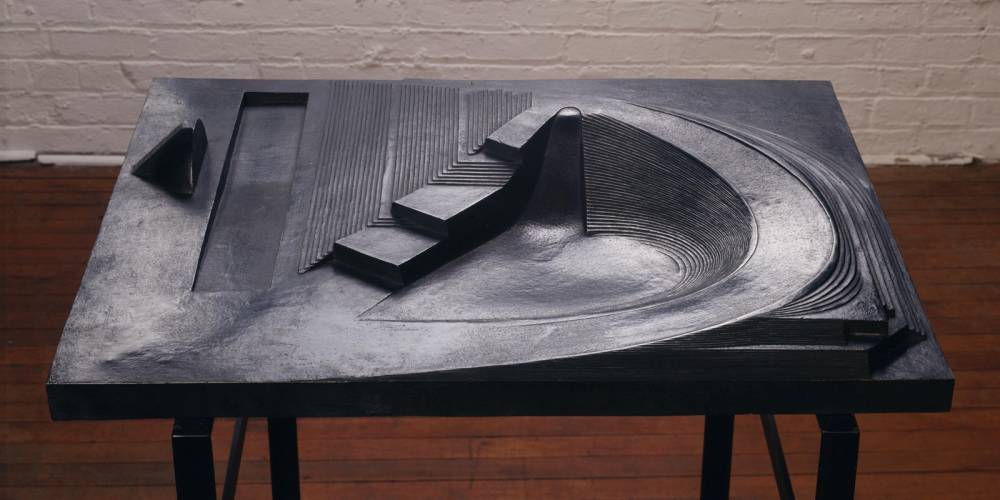
Noguchi had a really good concept that playgrounds should not be designed like military exercise equipment for a cheaply executed boot camp
Well, Noguchi “[Noguchi] had a really good concept that playgrounds should not be designed like military exercise equipment for a cheaply executed boot camp..." according to senior curator at the Noguchi Museum Dakin Hart.
Meanwhile, the art critic Thomas Hess explains that the “playground, instead of telling the child what to do (swing here, climb there), becomes a place for endless exploration.”
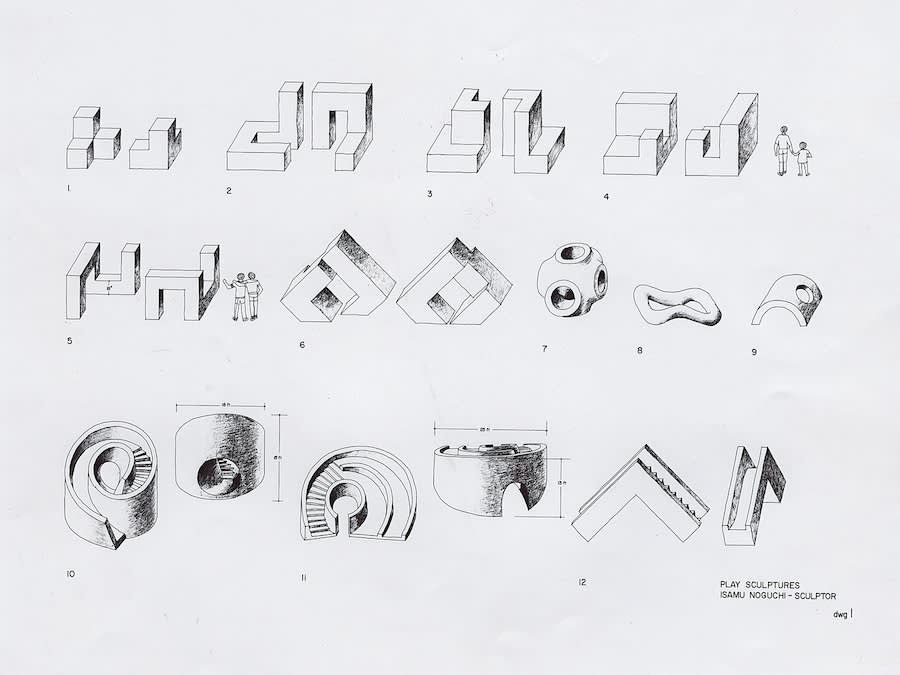
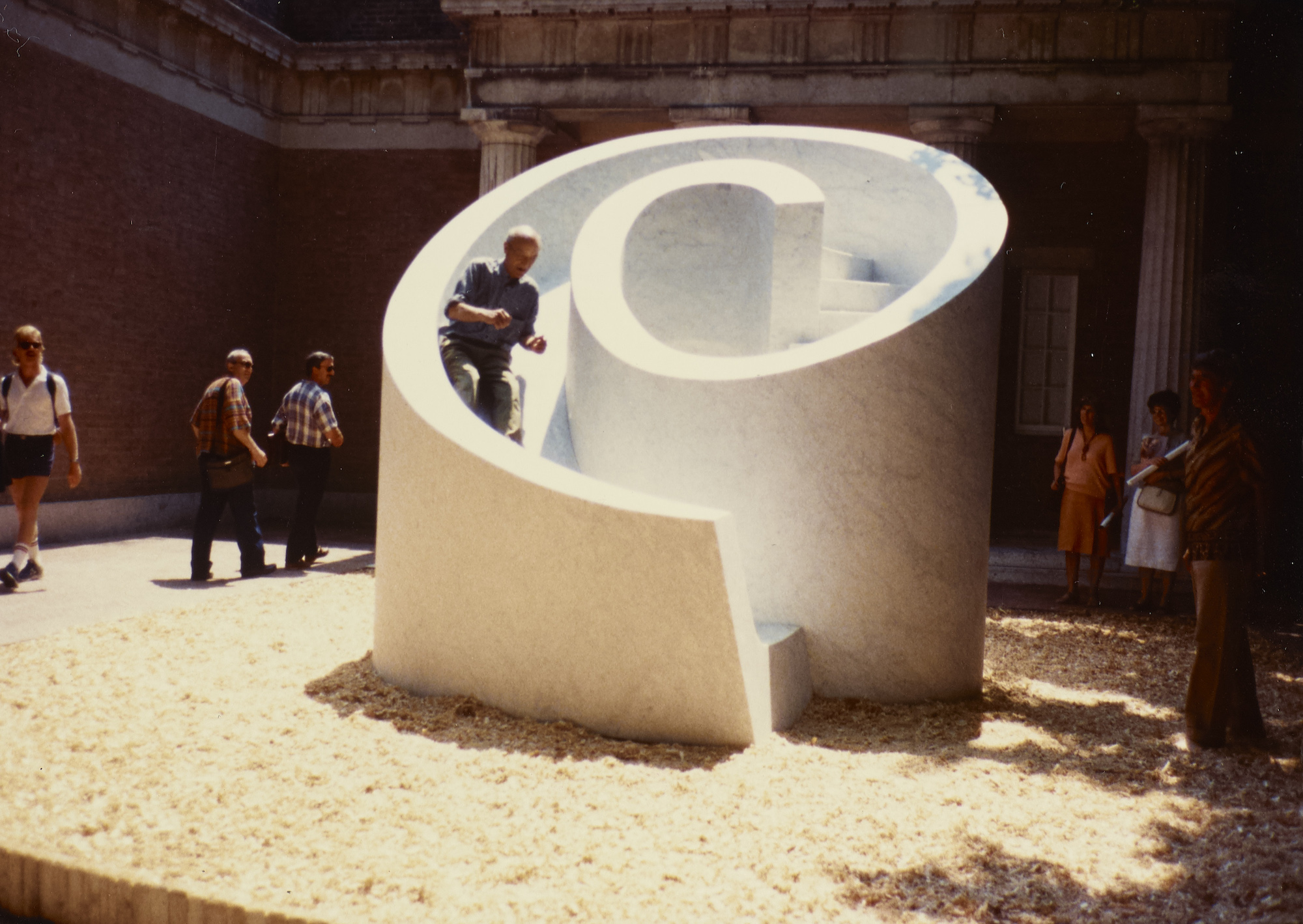
Still, not everyone was immediately convinced. New York City Parks Commissioner Robert Moses rejected Play Mountain. Noguchi tried for decades to get a playground built in New York. His four-block proposal for New York’s Riverside Park, designed with the architect Louis Kahn, was also denied, as was his ‘lunar garden’, which he designed for the US Pavilion at the Expo ’70 in Osaka Japan.
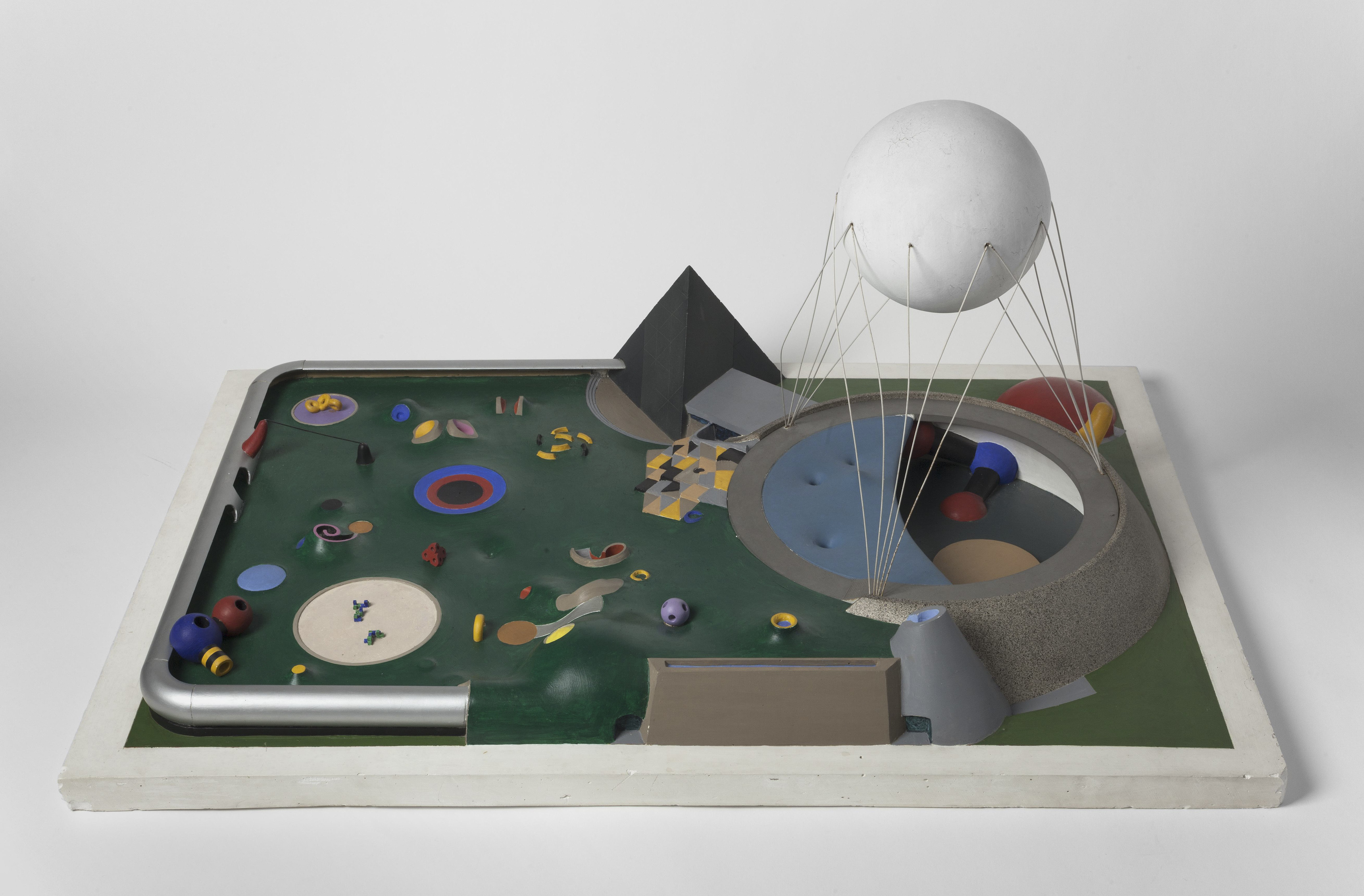
I think of playgrounds as a primer of shapes and functions; simple, mysterious, and evocative; thus educational
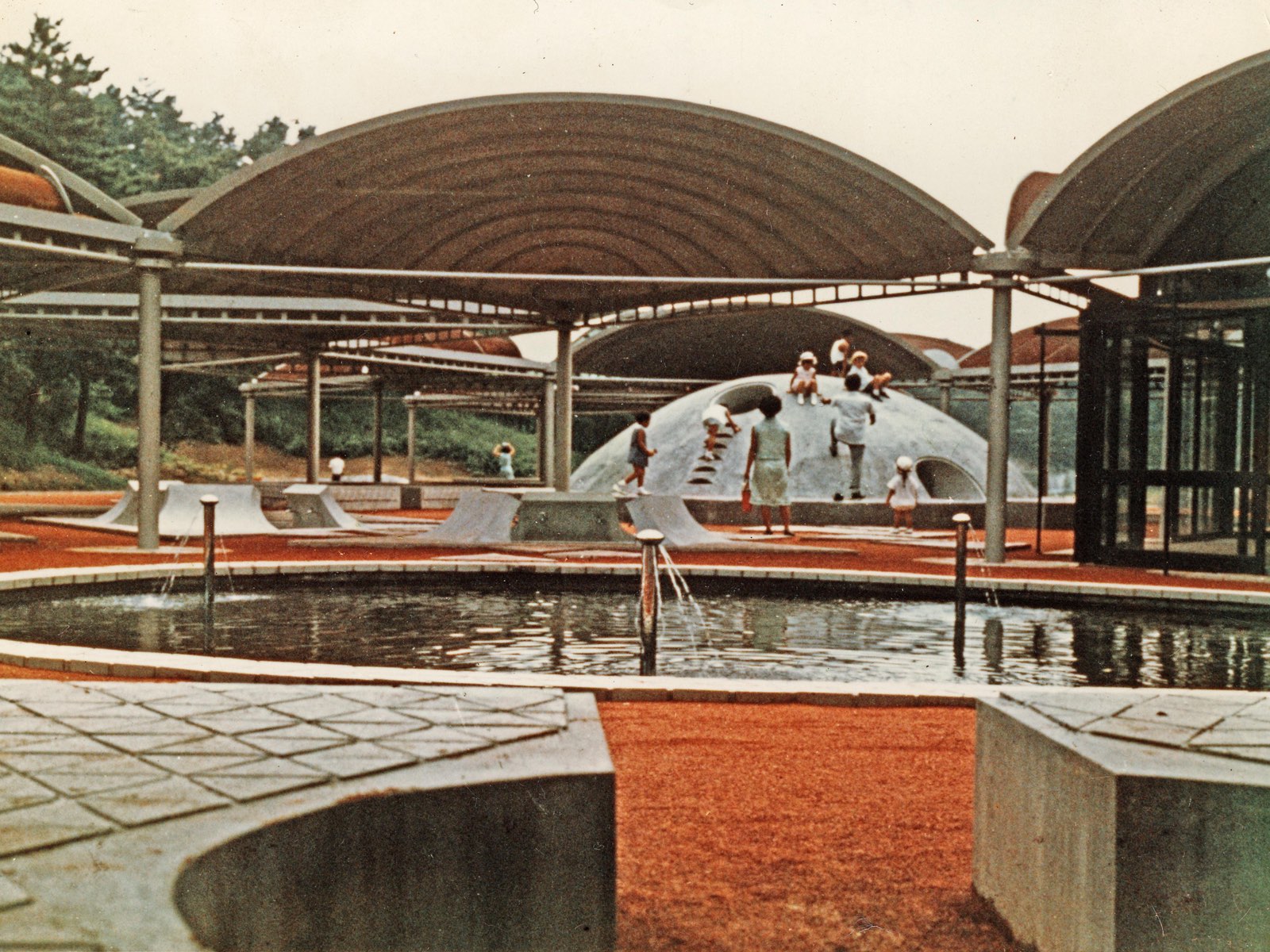
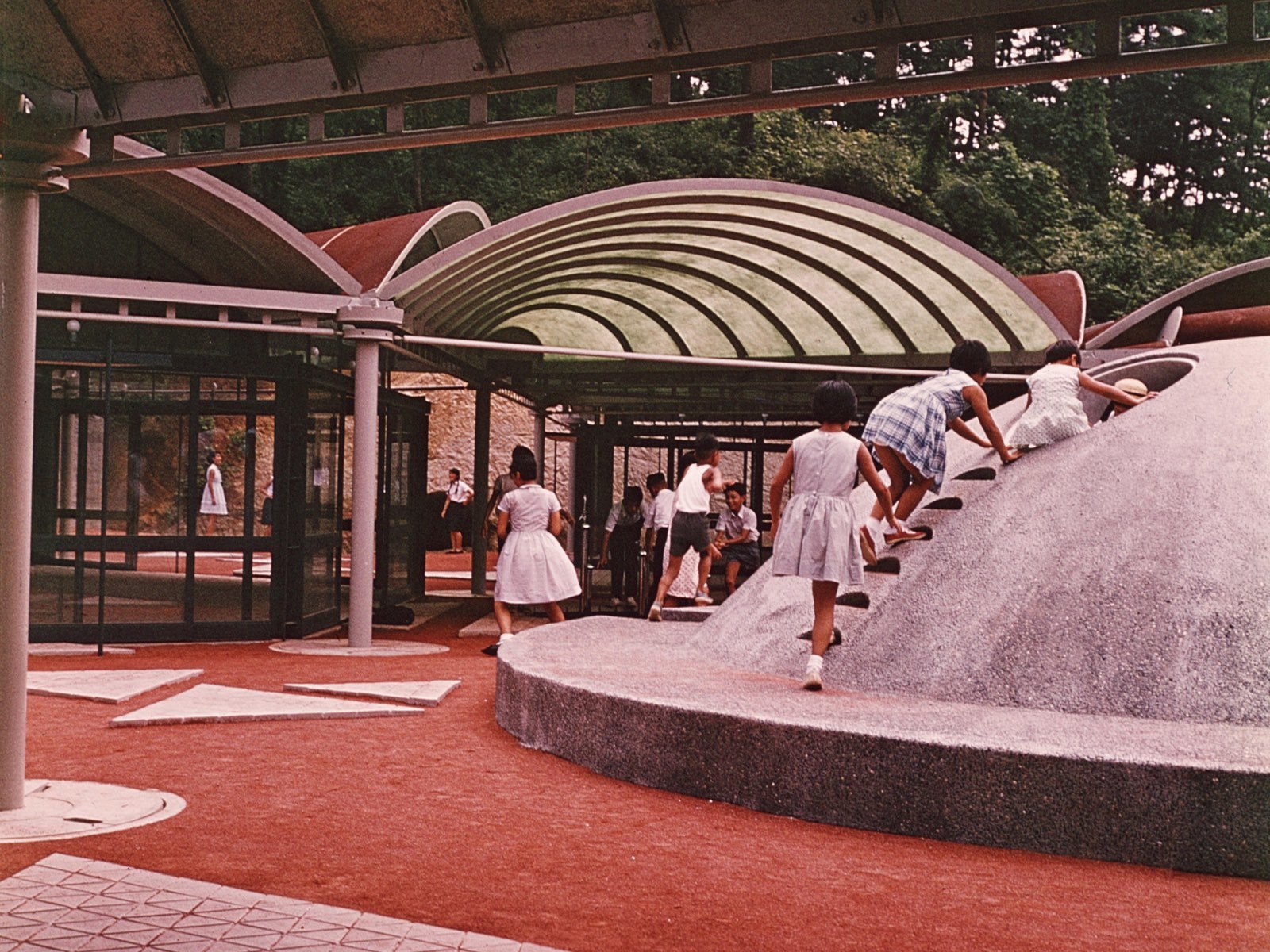
Undeterred, Noguchi successfully completed more than twenty public works around the world, including gardens, fountains, playgrounds, and plazas.
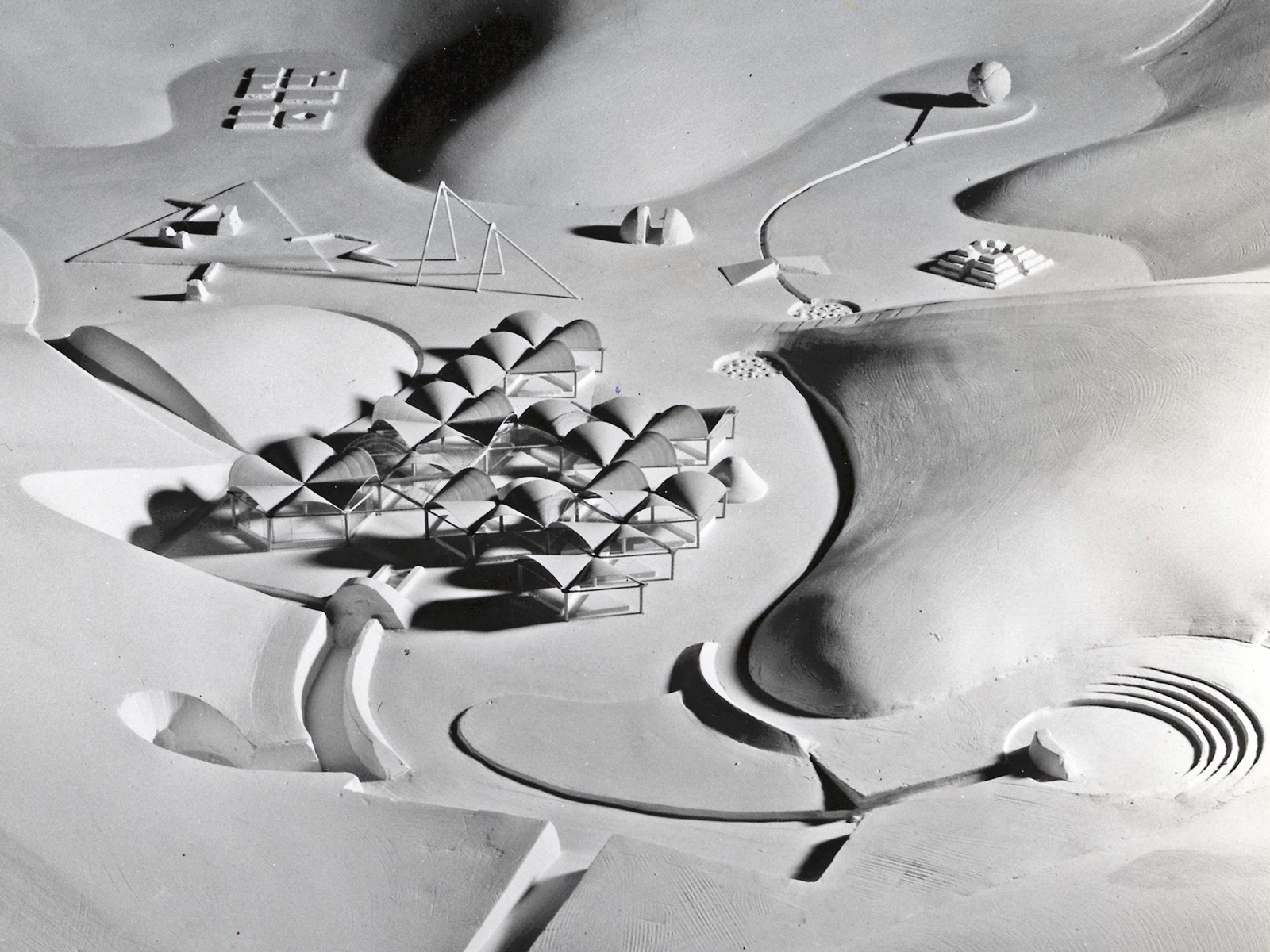
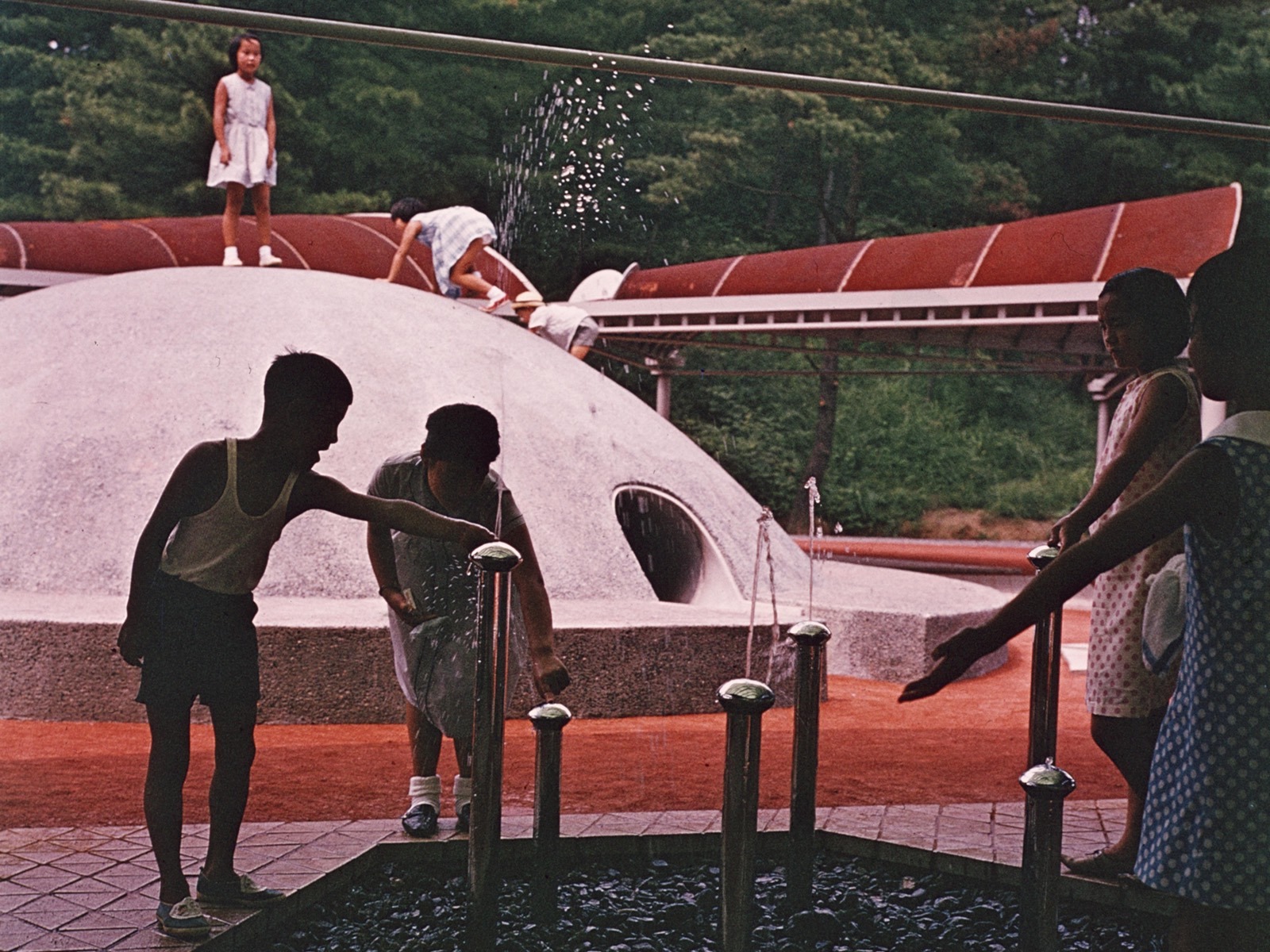
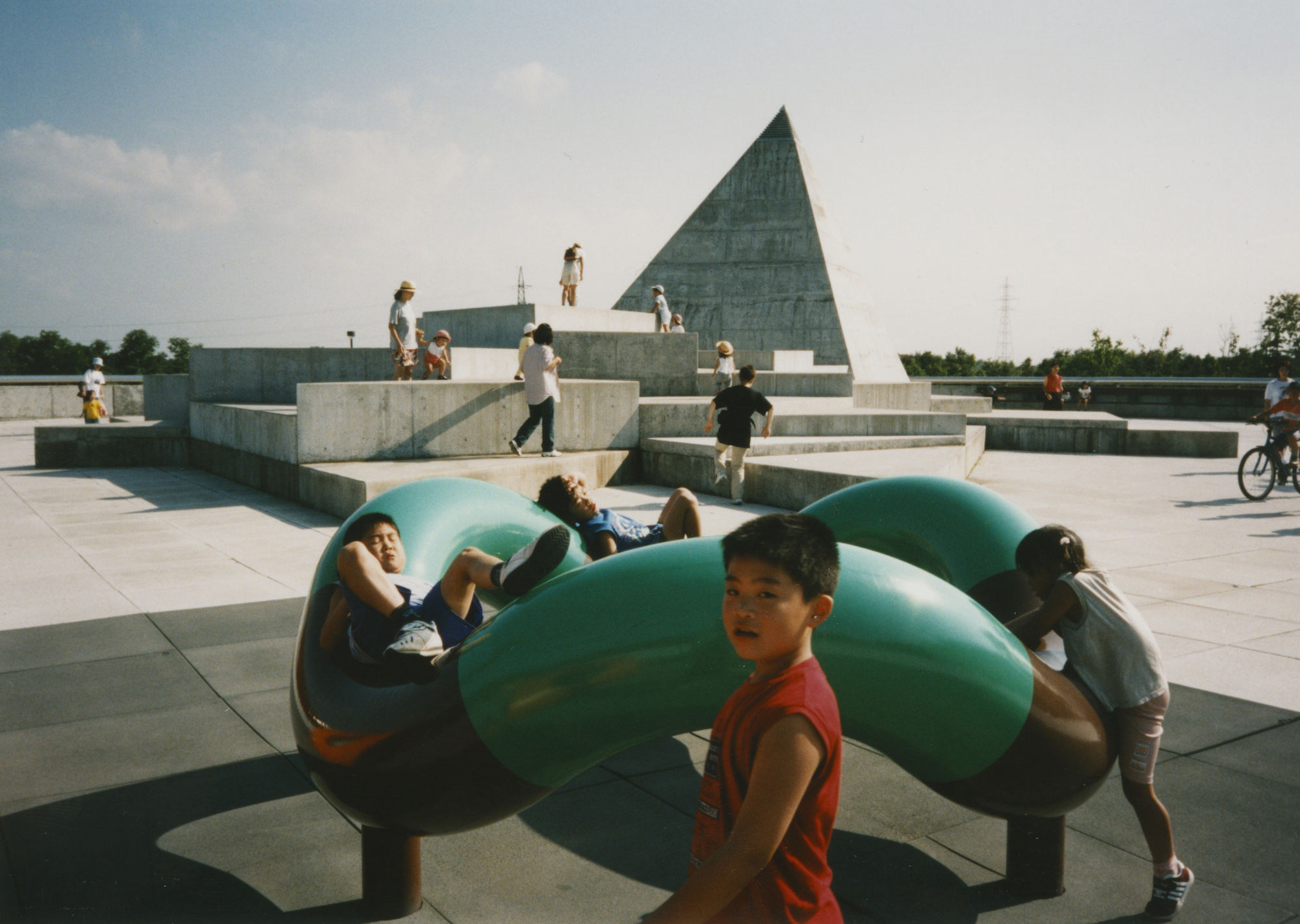
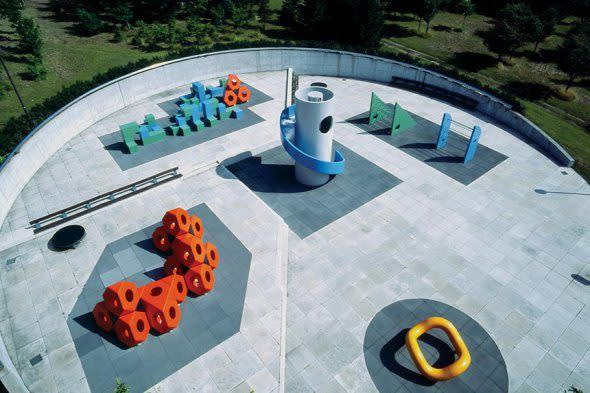
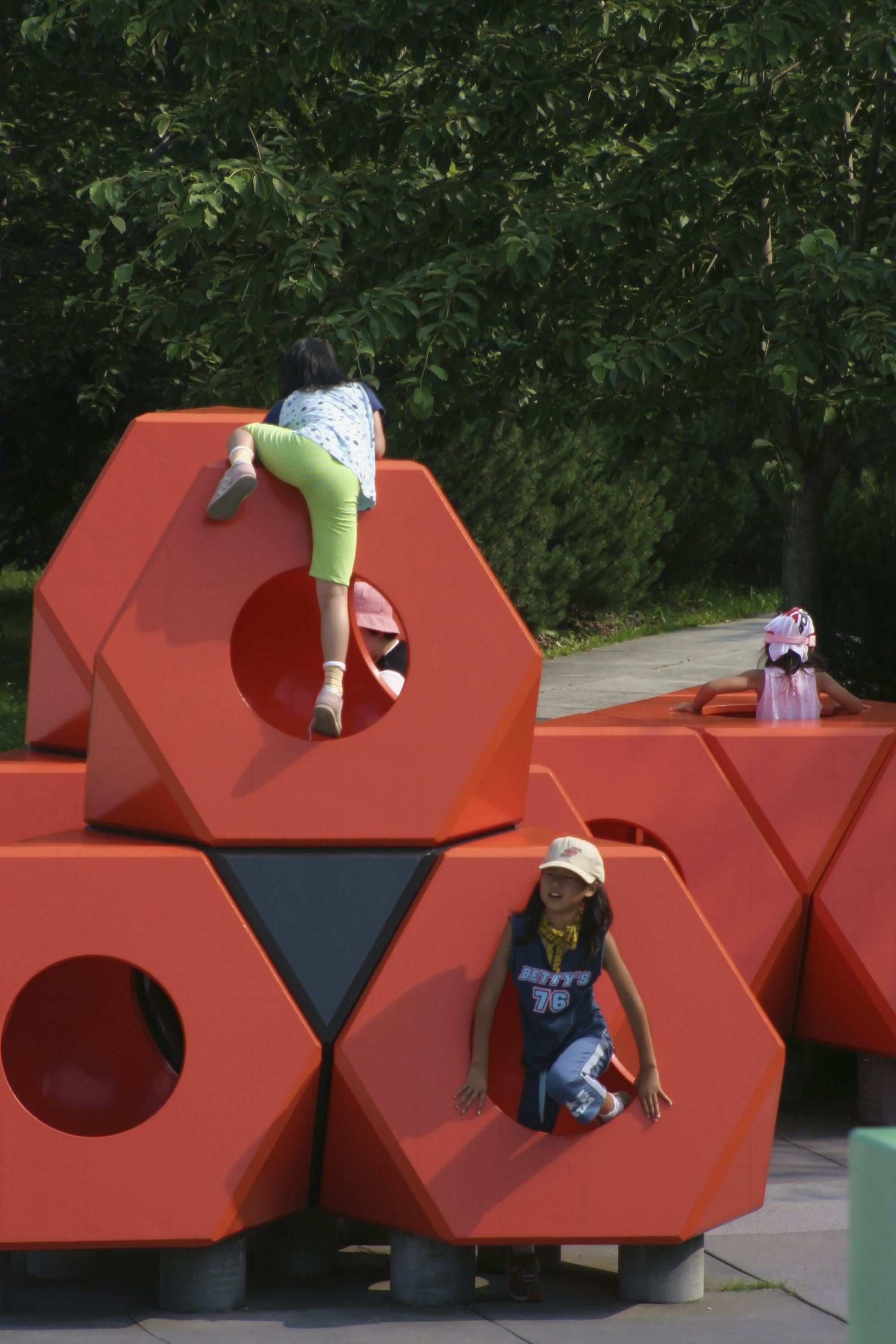
In the last year of his life, 1988, he designed his most ambitious playscape yet: the 454-acre Moerunuma Park (1988—2000), which sits on a reclaimed municipal dump outside of Sapporo, Japan. Through numerous iterations, redesigns and persistence, Noguchi realised a much more sophisticated version of his Play Mountain, complete with slides, fountains, sprawling gardens and play sculptures.
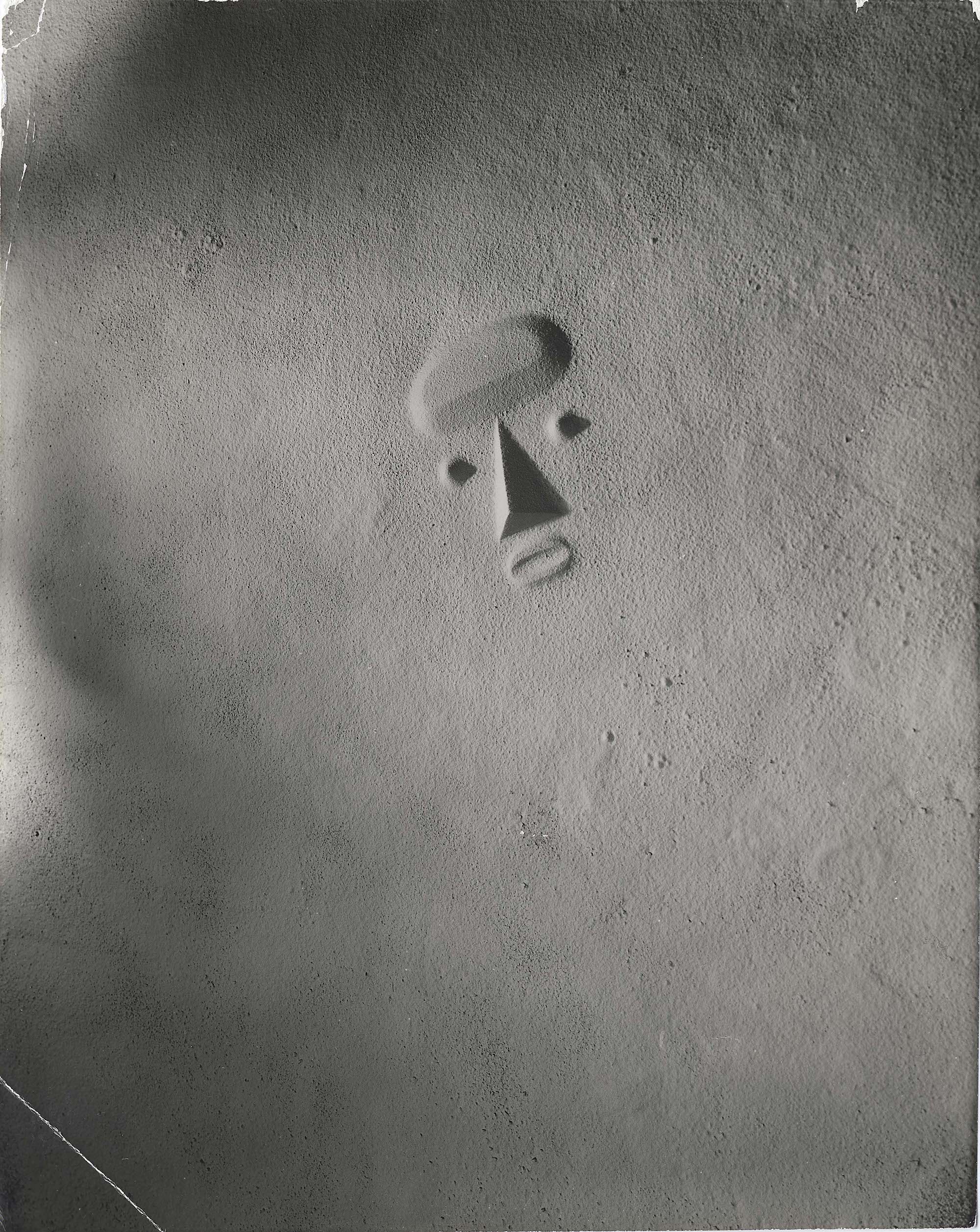
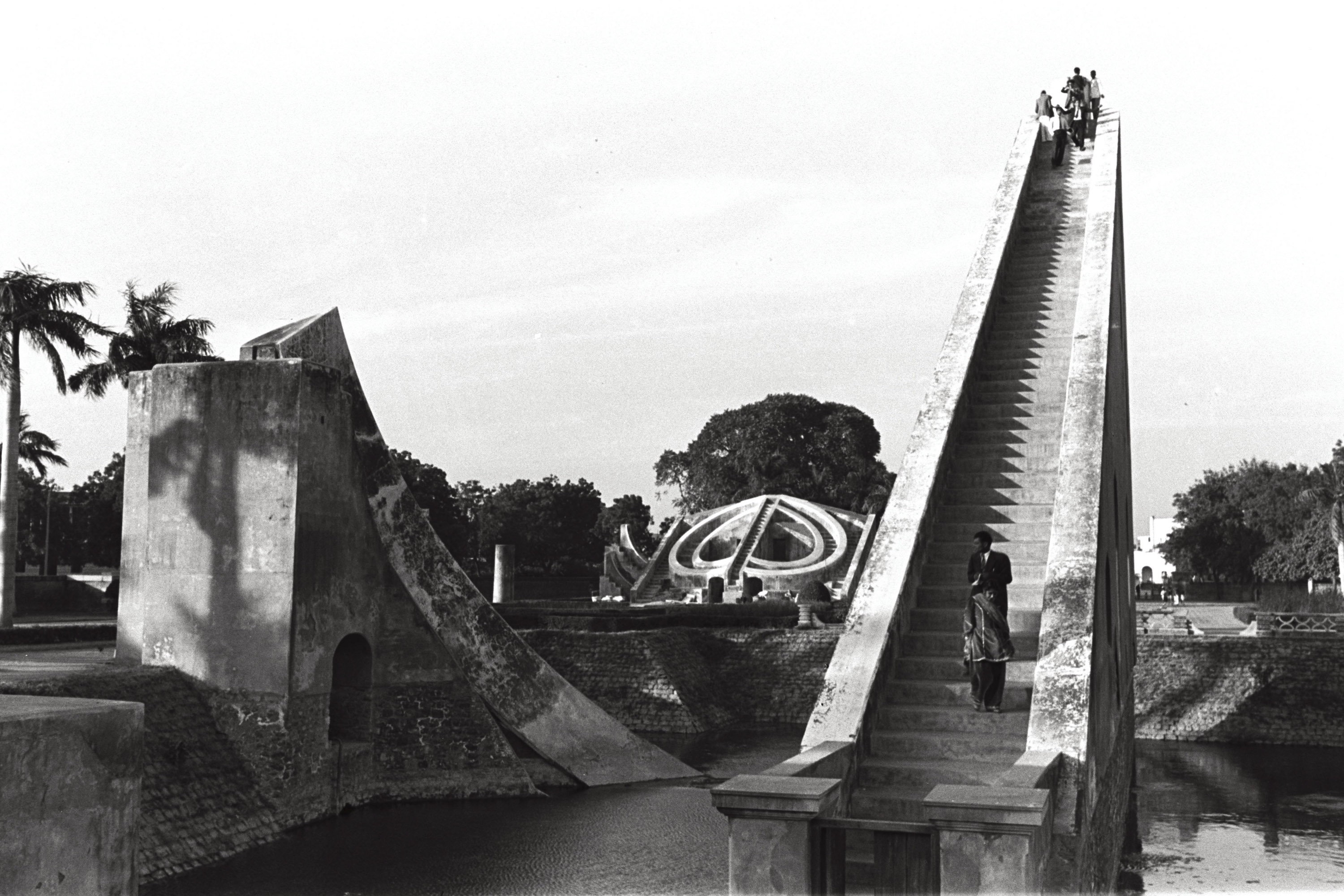
An exhibition celebrating Noguchi's work is running at the Barbican Centre, London, until 9 January 2022