Grimshaw Foundation Treehouse Build 2025
Grimshaw Foundation Launches Inaugural Residential Design Programme at the Architectural Association’s Hooke Park Campus
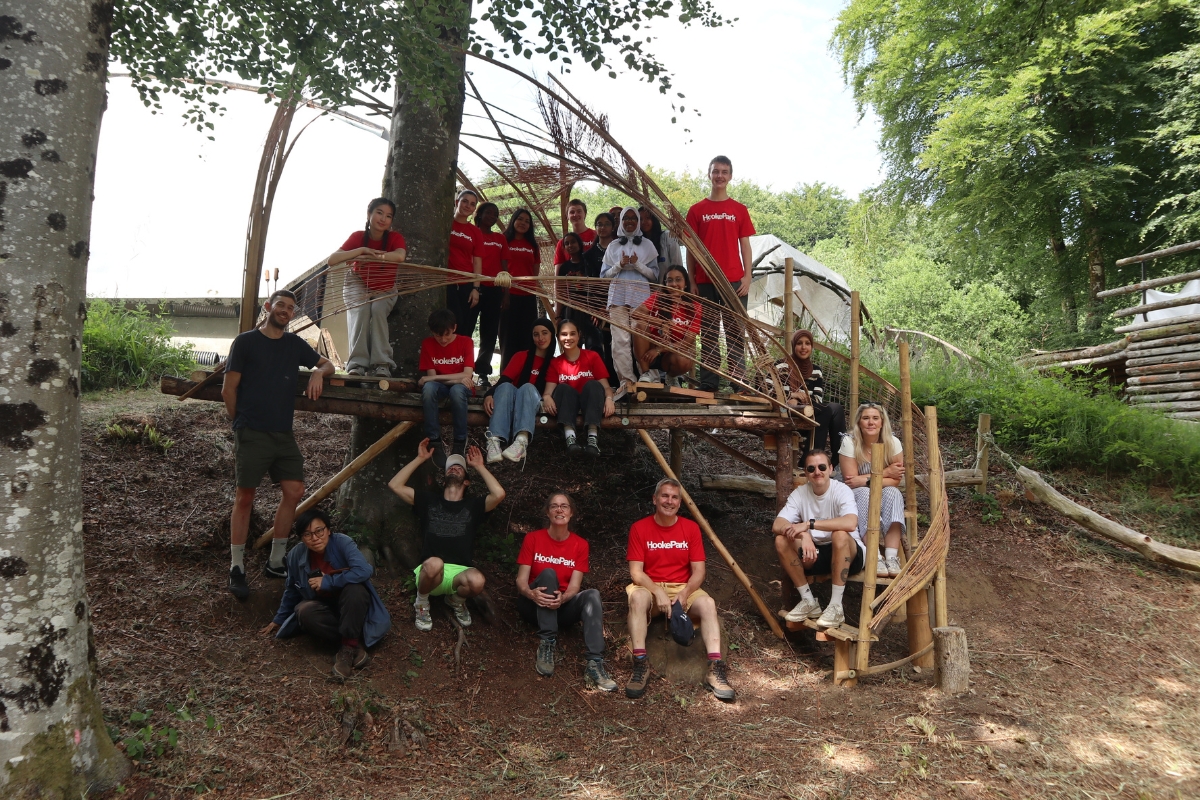
“ I've always loved treehouses, as I like the challenge of creating space within a small area. Growing up, I built lots of treehouses in our garden, but the main one was in a large apple tree - and I made the base from an old oak door, which still had hinges and door handles. I used to climb up there and watch the world going by on the street outside."
— Sir Nicholas Grimshaw
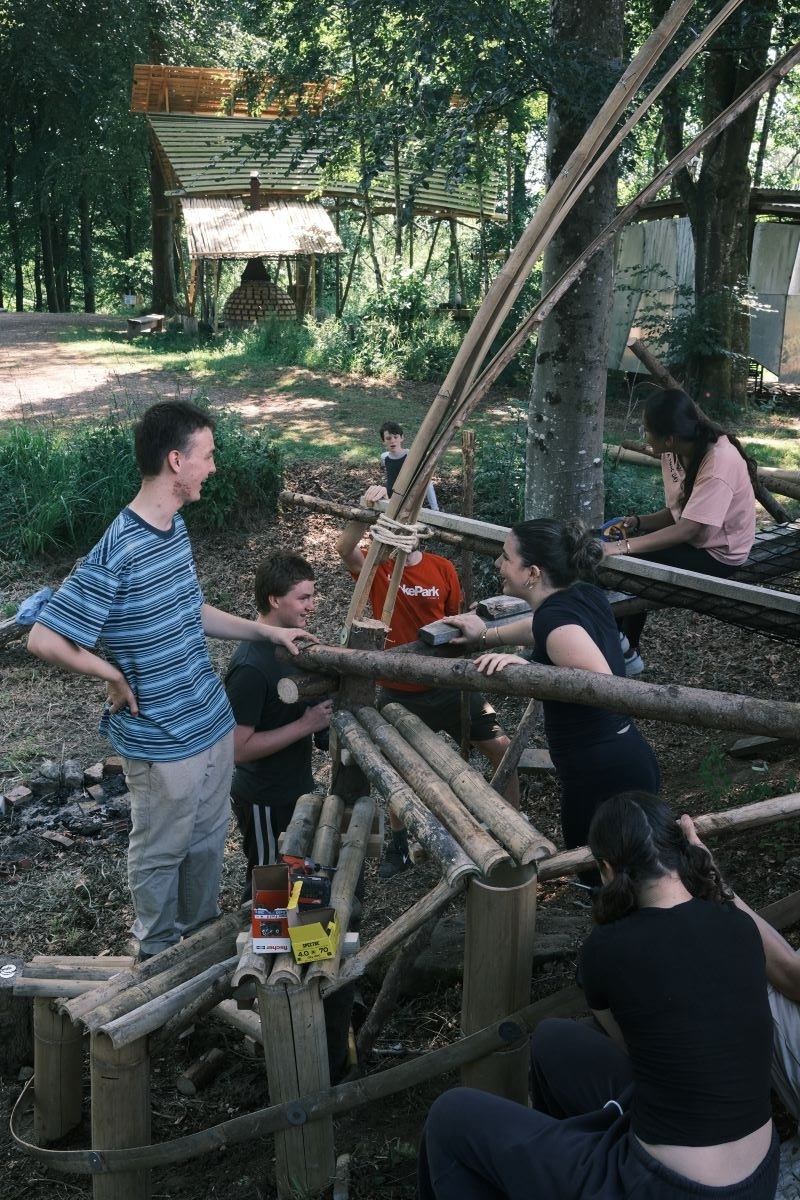
This summer, Grimshaw Foundation launched its first-ever residential design programme at Hooke Park, the Architectural Association’s woodland campus in rural Dorset. Over four transformative days, fifteen students from four London secondary schools took on the ambitious challenge of designing and building a treehouse from scratch. The programme, inspired by a brief from Sir Nicholas Grimshaw, aimed to move students beyond traditional classrooms and into nature, where the architectural process could be experienced as a fully immersive, collaborative, and hands-on experience.
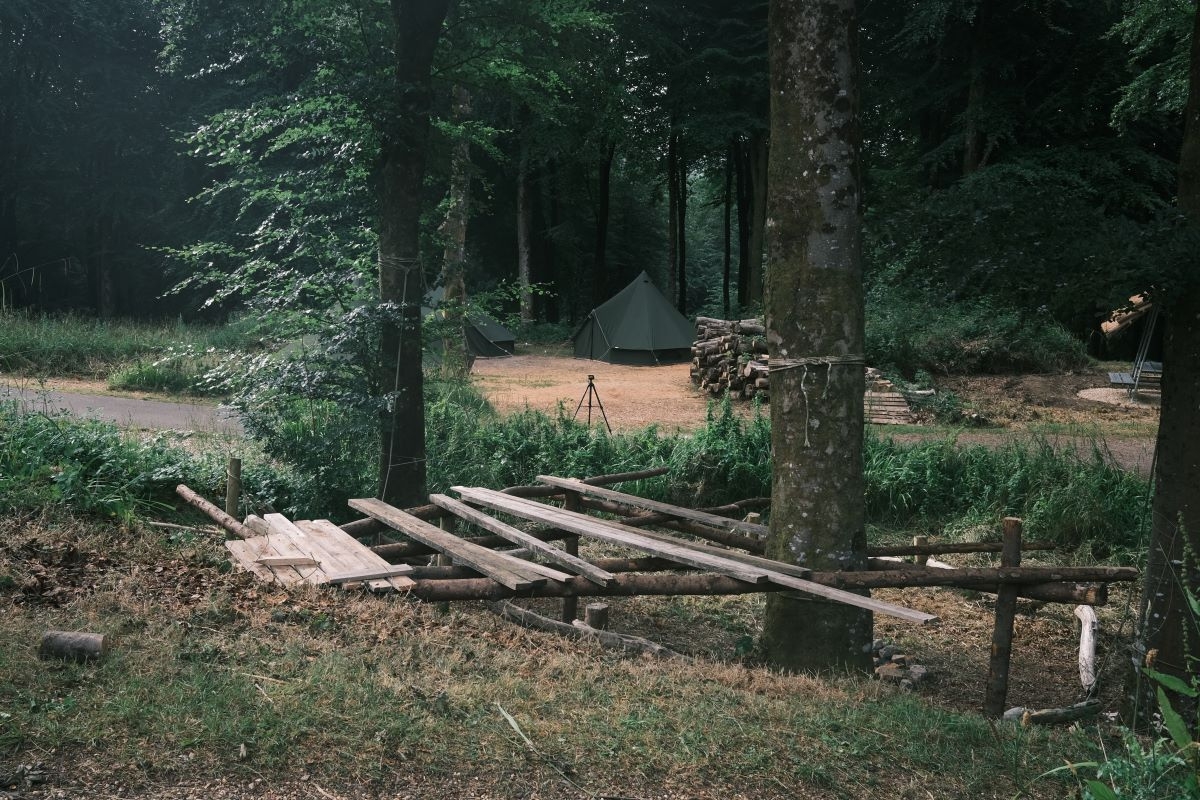
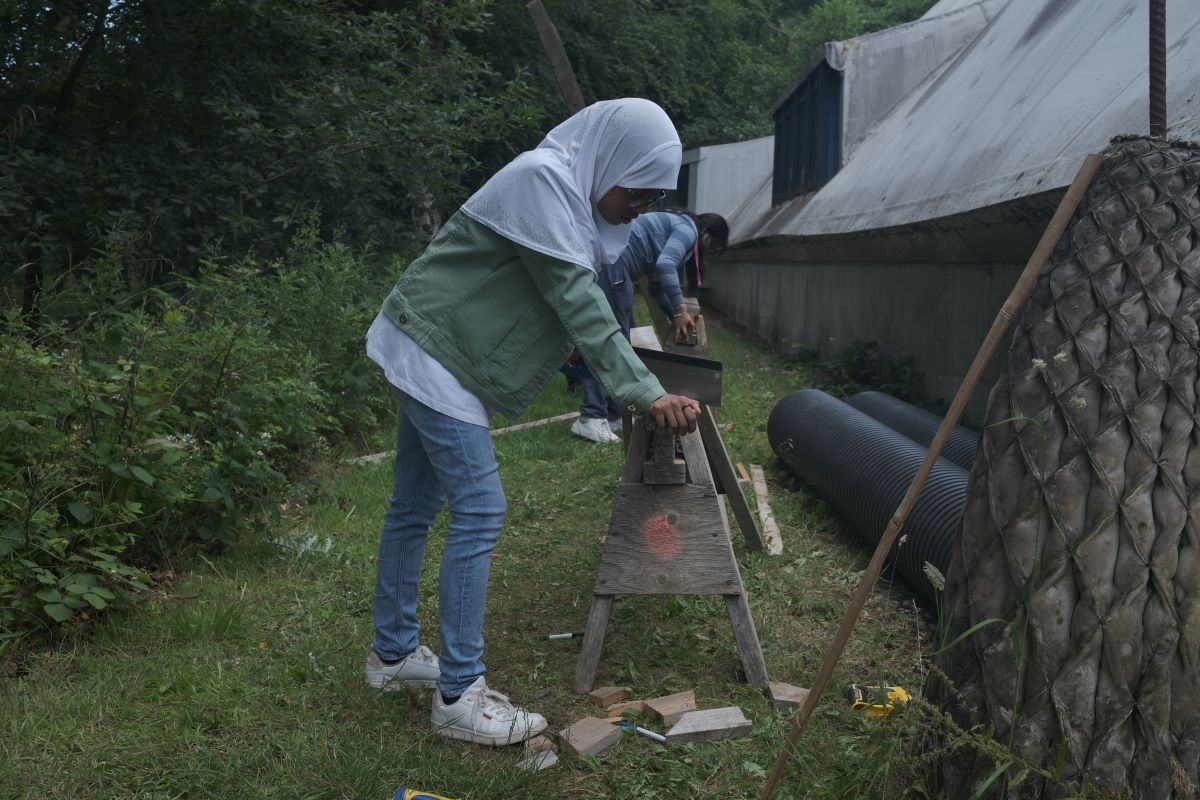
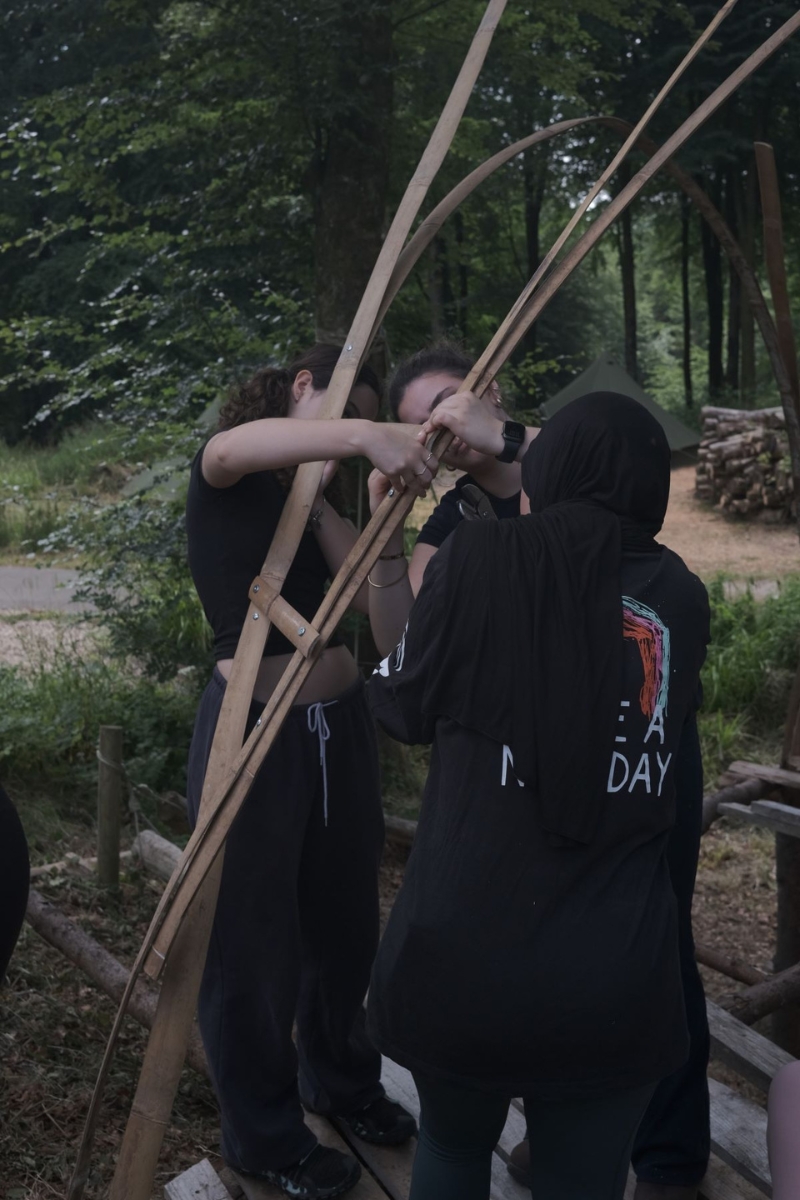
Led by Jerry Tate, Trustee of the Grimshaw Foundation and founder of Tate+Co Architects, the students were guided by a team of Grimshaw architects, and the fantatic Hooke Park team, including Head of Hooke Park, Kate Davies. Head of Physical Production, Emmanual Vercruysse, and Charlie Corry-Wright, Wood Workshop Manager. Together, they moved through the entire design-build process, from brainstorming ideas, sketching and model making to problem-solving on-site and driving in the final fixings. The final treehouse was constructed largely using materials harvested from the surrounding woodland.
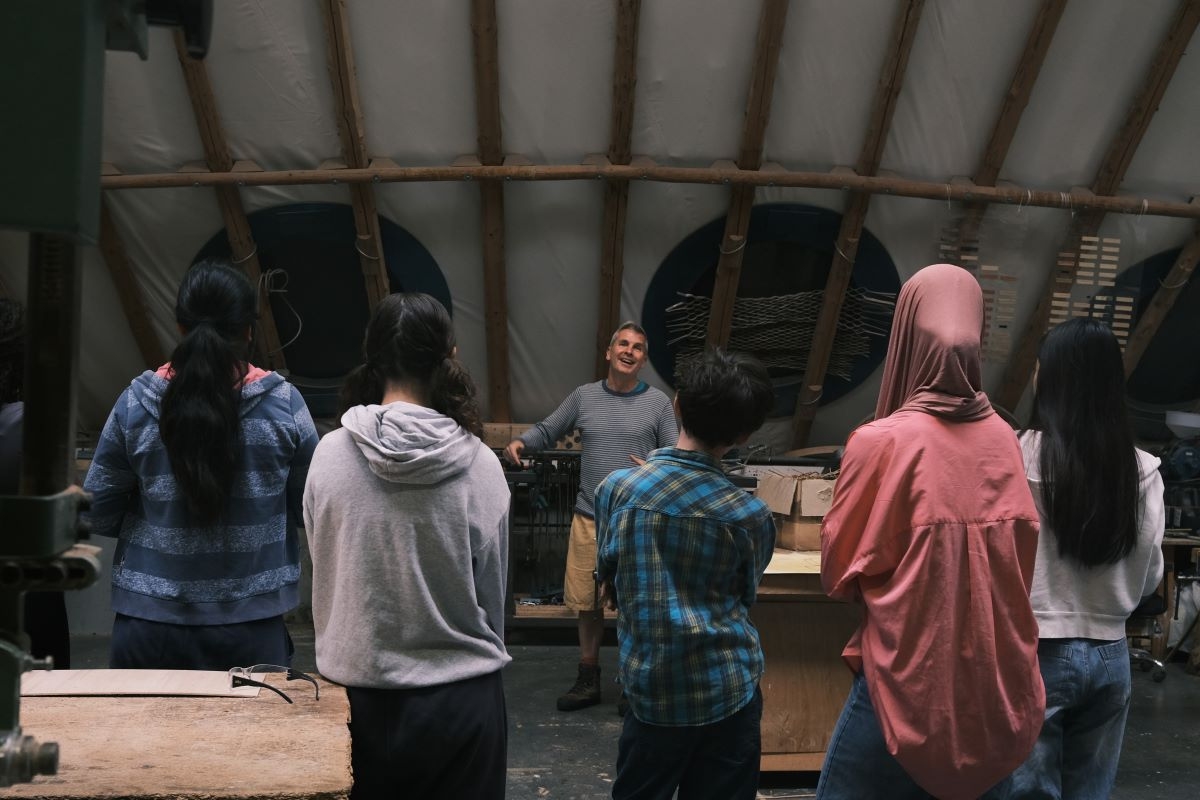
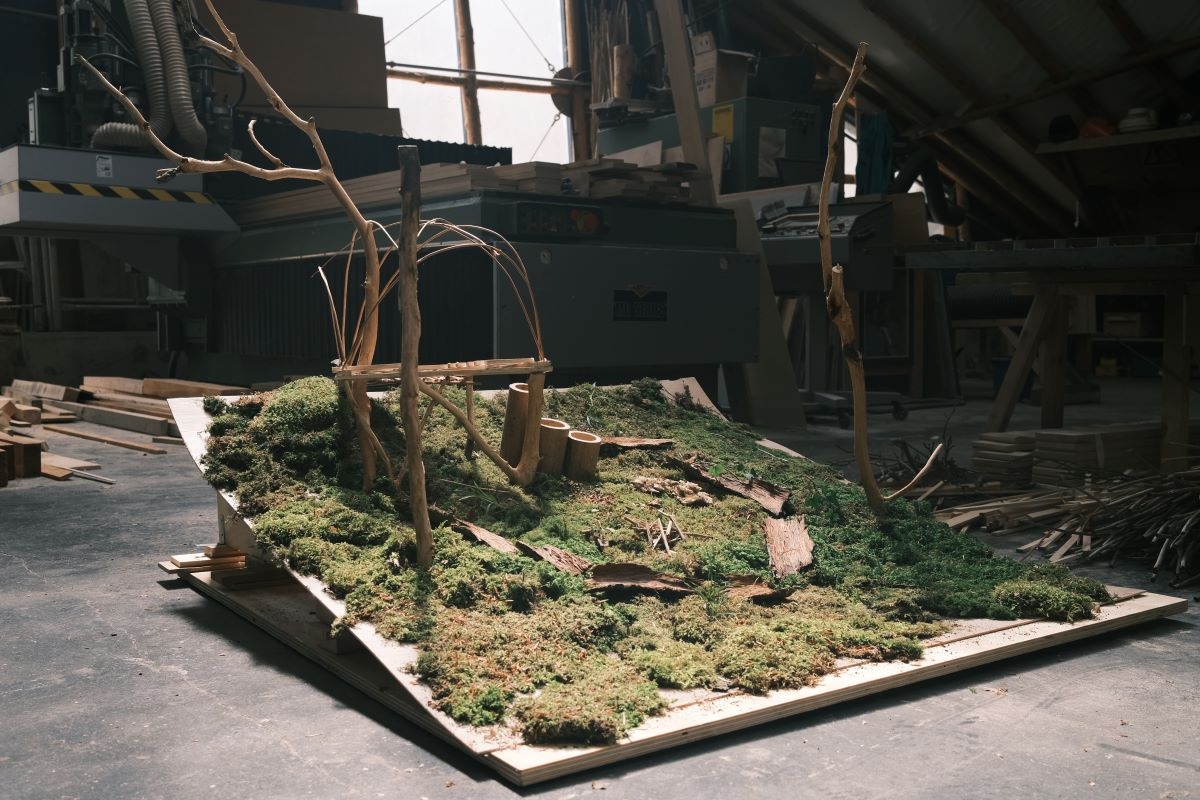
The forest offered not only materials for building but also space for reflection, teamwork, and imagination. With no prior construction experience, students quickly adapted to using drills, and sawing timber. Surrounded by woodland, they learned to trust both the process and each other. “I learnt that creativity involves critical thinking and risk taking,” said a student from Parliament Hill School.
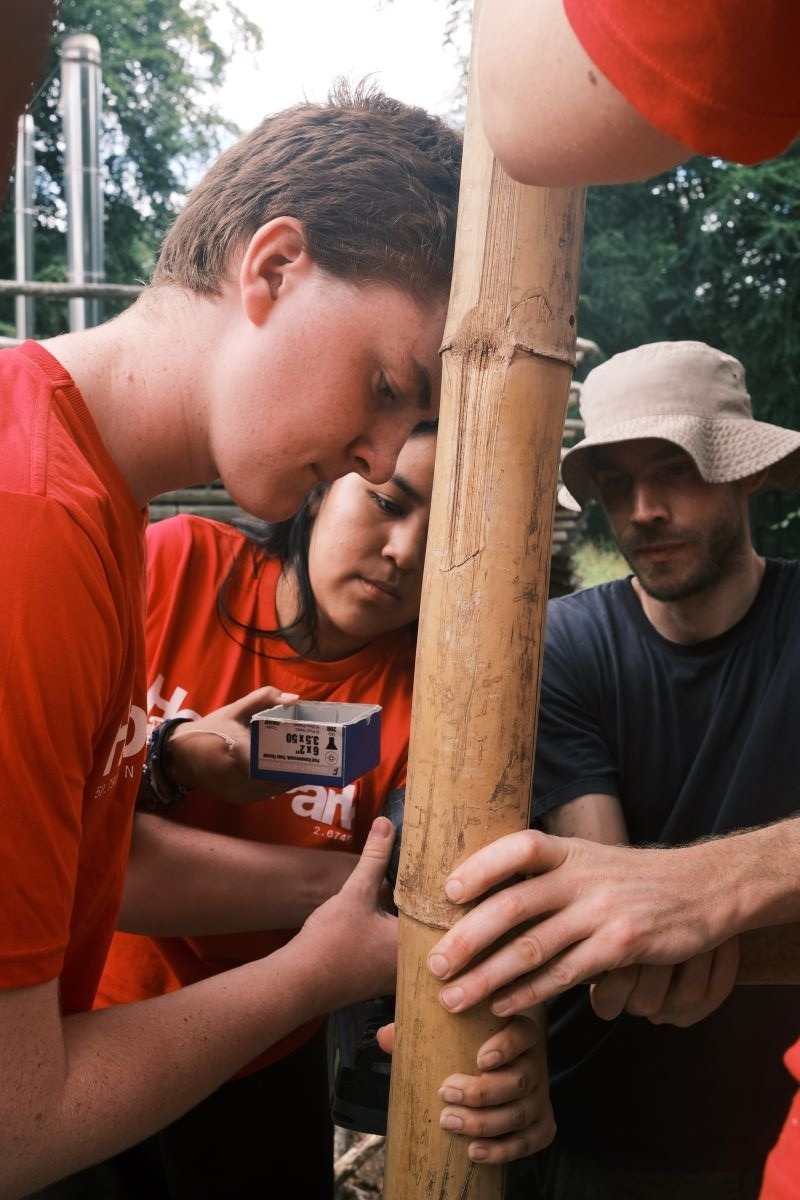
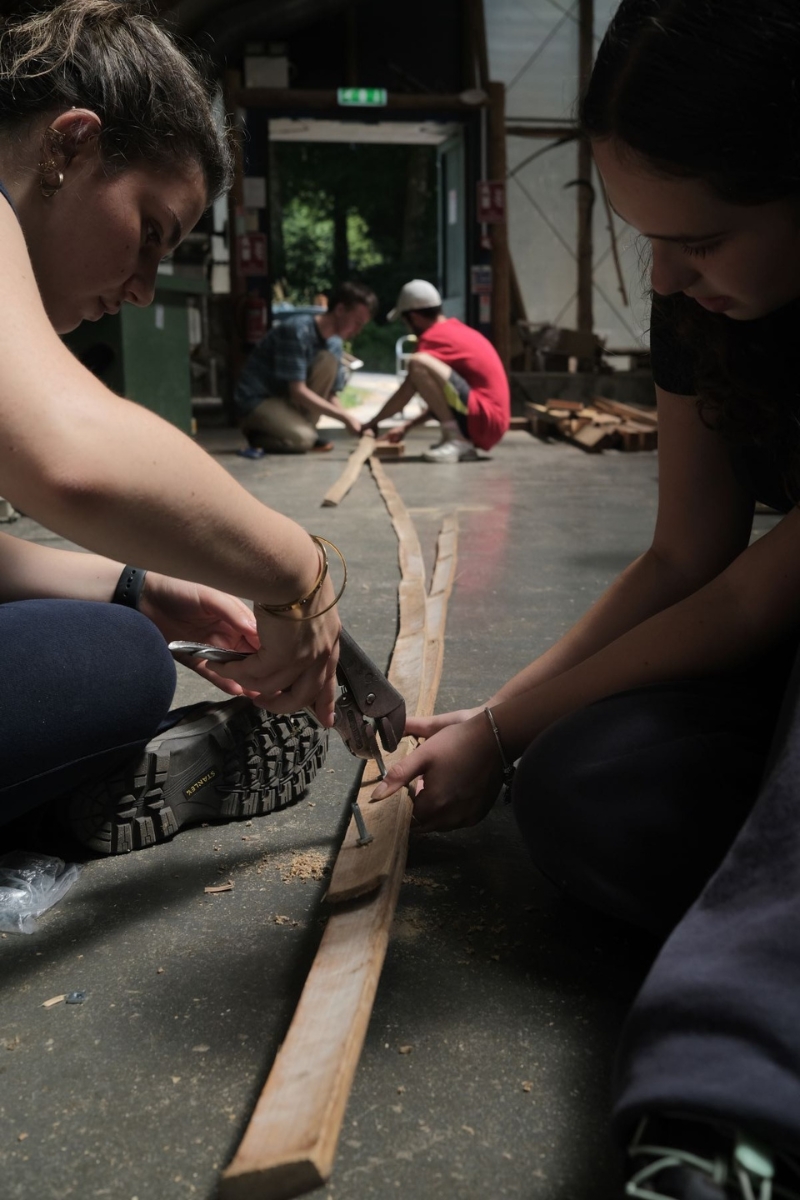
The hands-on experience really helped me to see what the future would be as an architect
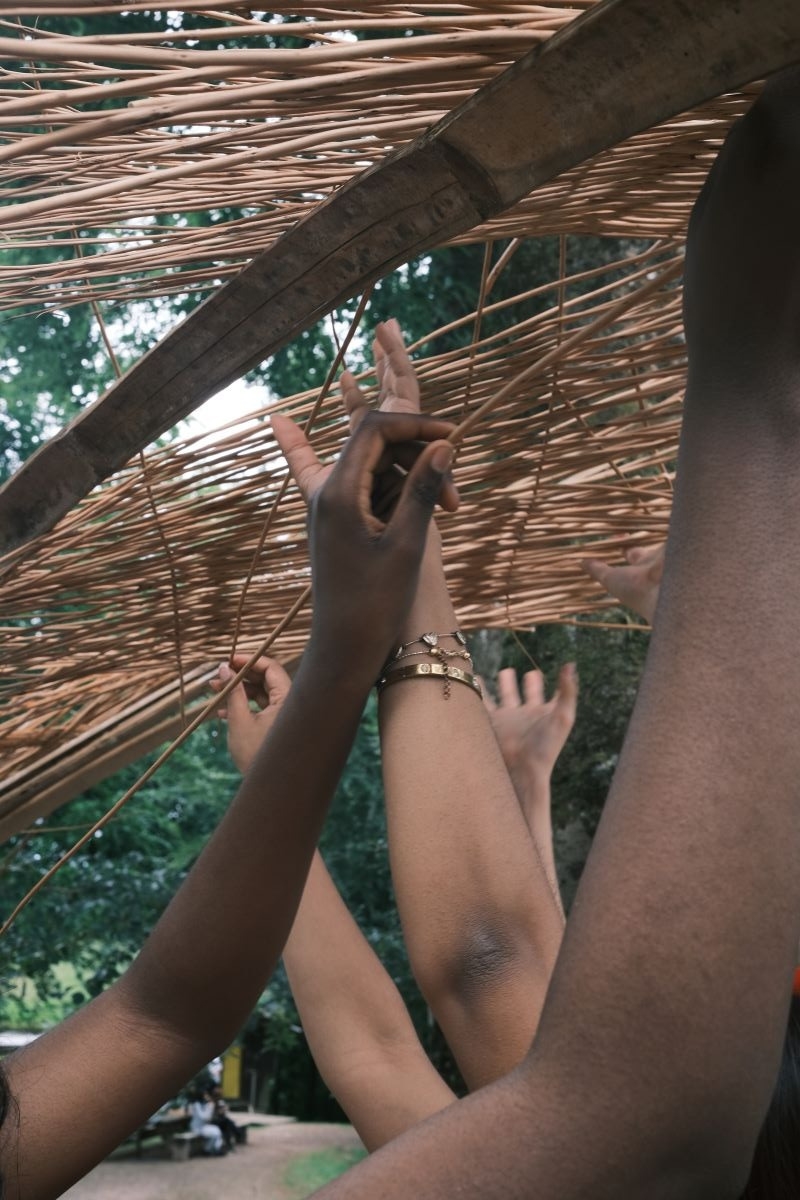
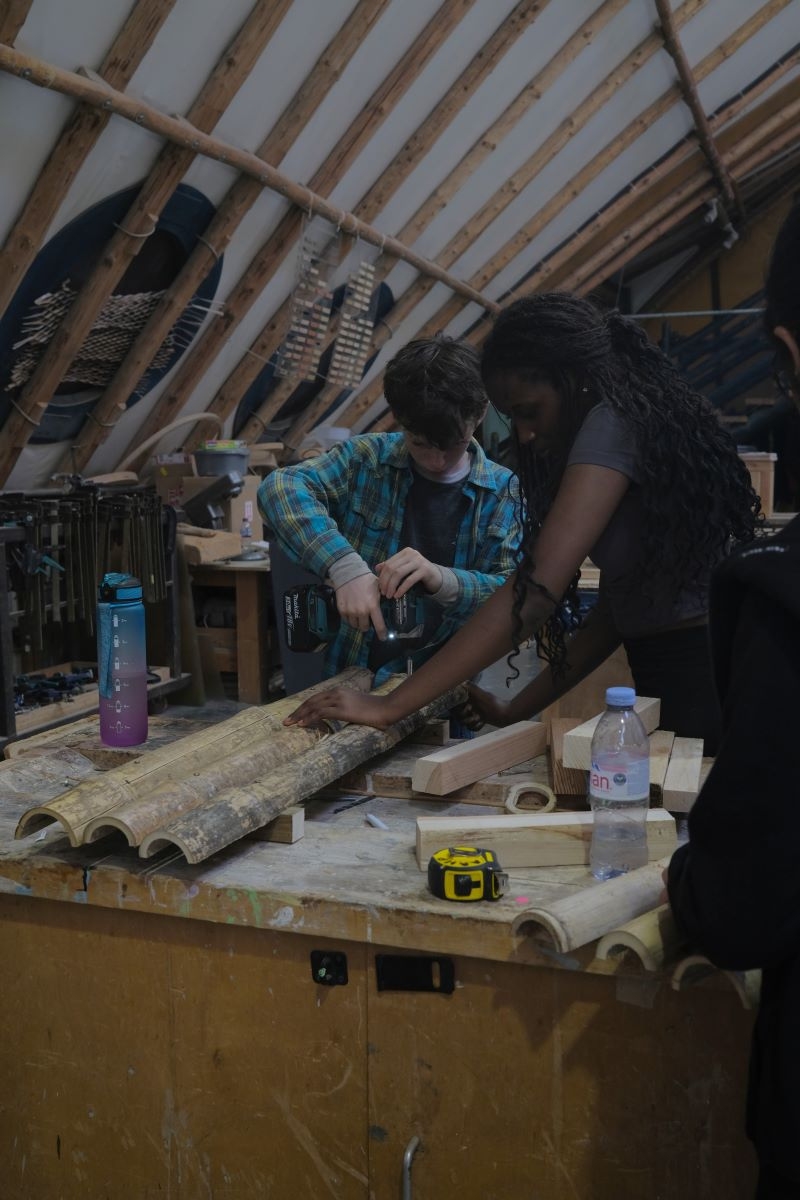
Post-COVID, such residential, outdoor learning opportunities are increasingly rare. The Grimshaw Foundation’s programme reintroduces a vital connection between design education and the natural world, offering a unique platform for young people to discover their own capabilities.
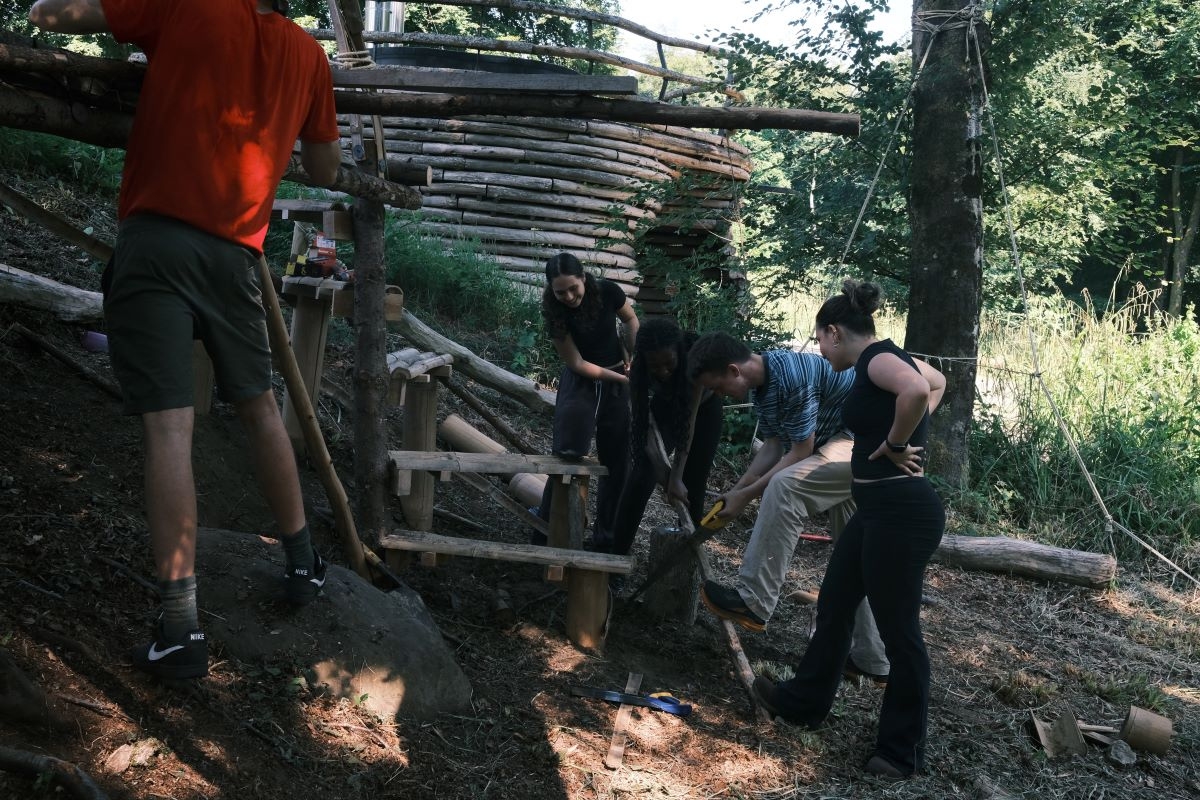
Beyond technical skills, the programme emphasized the collaborative nature of design. Students worked in teams to solve real-time problems, make group decisions, and adapt their ideas to the realities of the site.
“This is about understanding the relationship between designing and existing,” said Jerry Tate. “Design is a team game,” he added. The process teaches young people how to listen, compromise, and co-create—skills that are vital in life and in any creative discipline.”
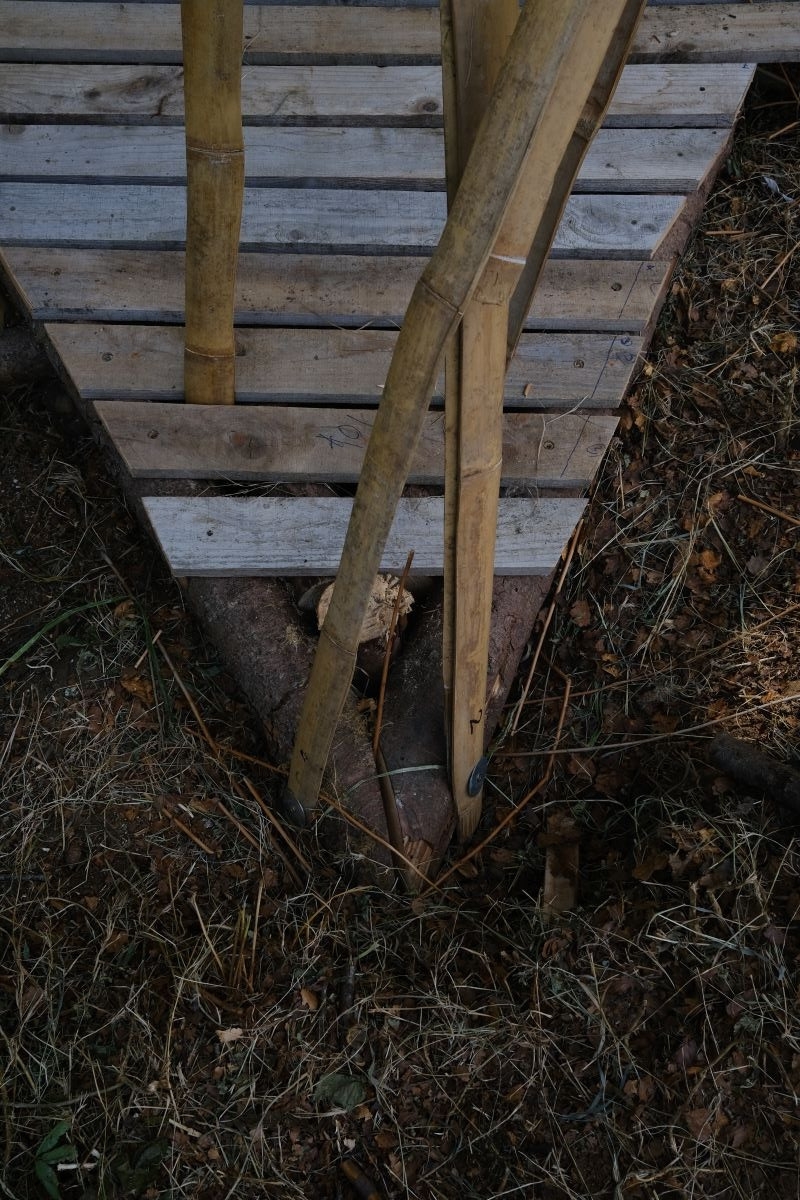
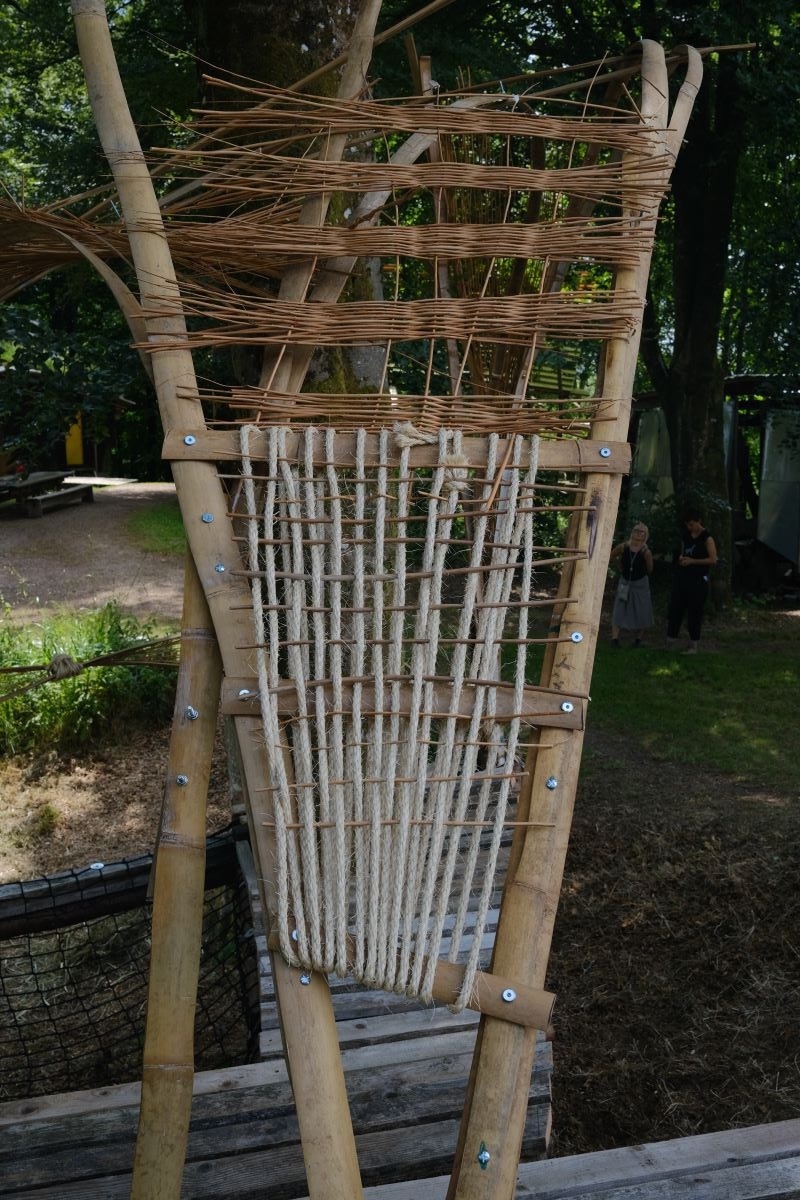
By the end of the programme, the students had built more than a structure. They had gained new perspectives on architecture, nature, and their own creative potential. “It went above and beyond my expectations.” said a student from Westminster City School.
My experience has expanded my imagination. I now know that anything you dream of making can be accomplished with hard work.
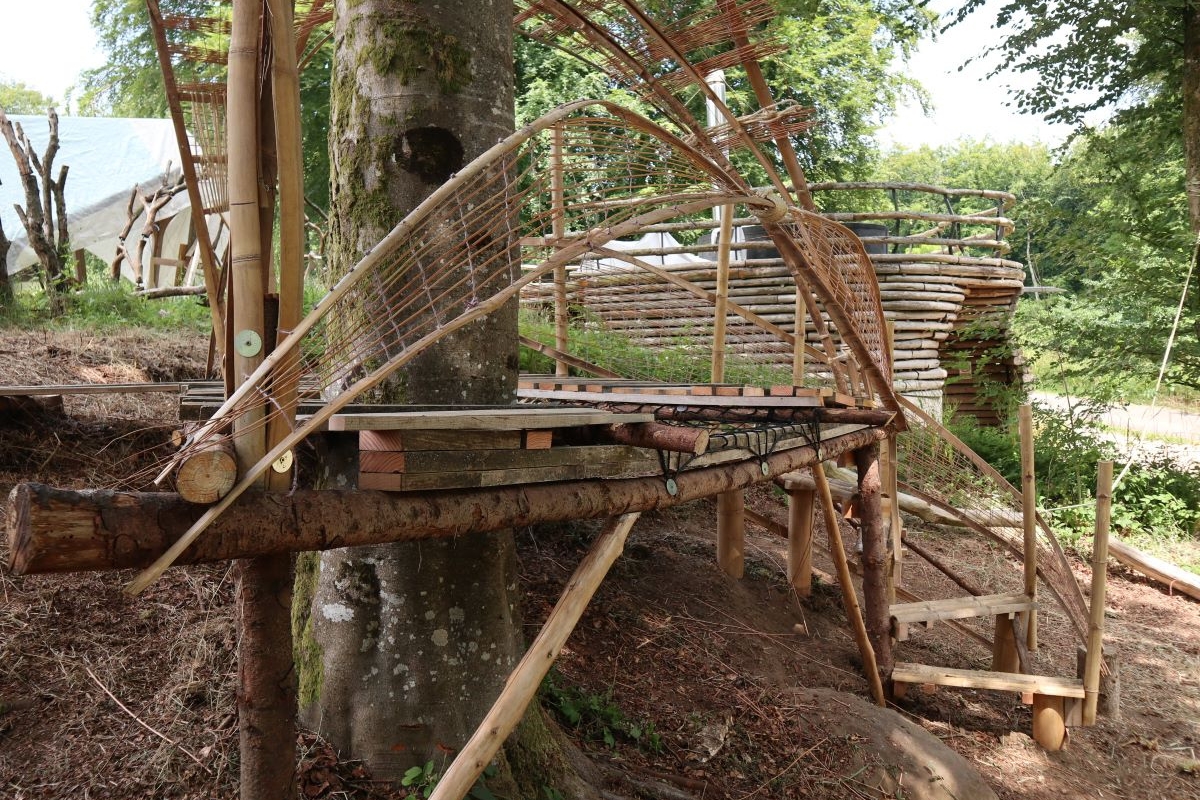
The Grimshaw Foundation remains committed to broadening access to design education and offering young people transformative experiences in the built and natural environments.
Photography by Daniella Diaz Lamboglia, Jerry Tate and Grimshaw Volunteers